













This project emerges from a desire for inner peace and mental recovery, to design a space that offers a real antidote to the burnout epidemic.
We live in an age of acceleration.
The constant demand for productivity, hyperconnectivity, and performance has blurred the boundaries between personal and professional life, leaving little space for silence or rest.
Mental exhaustion, anxiety, and burnout have become collective symptoms of a society that has forgotten how to pause.
Amid this context, this project emerges from a desire for inner peace and mental recovery, to design a space that offers a real antidote to the burnout epidemic.
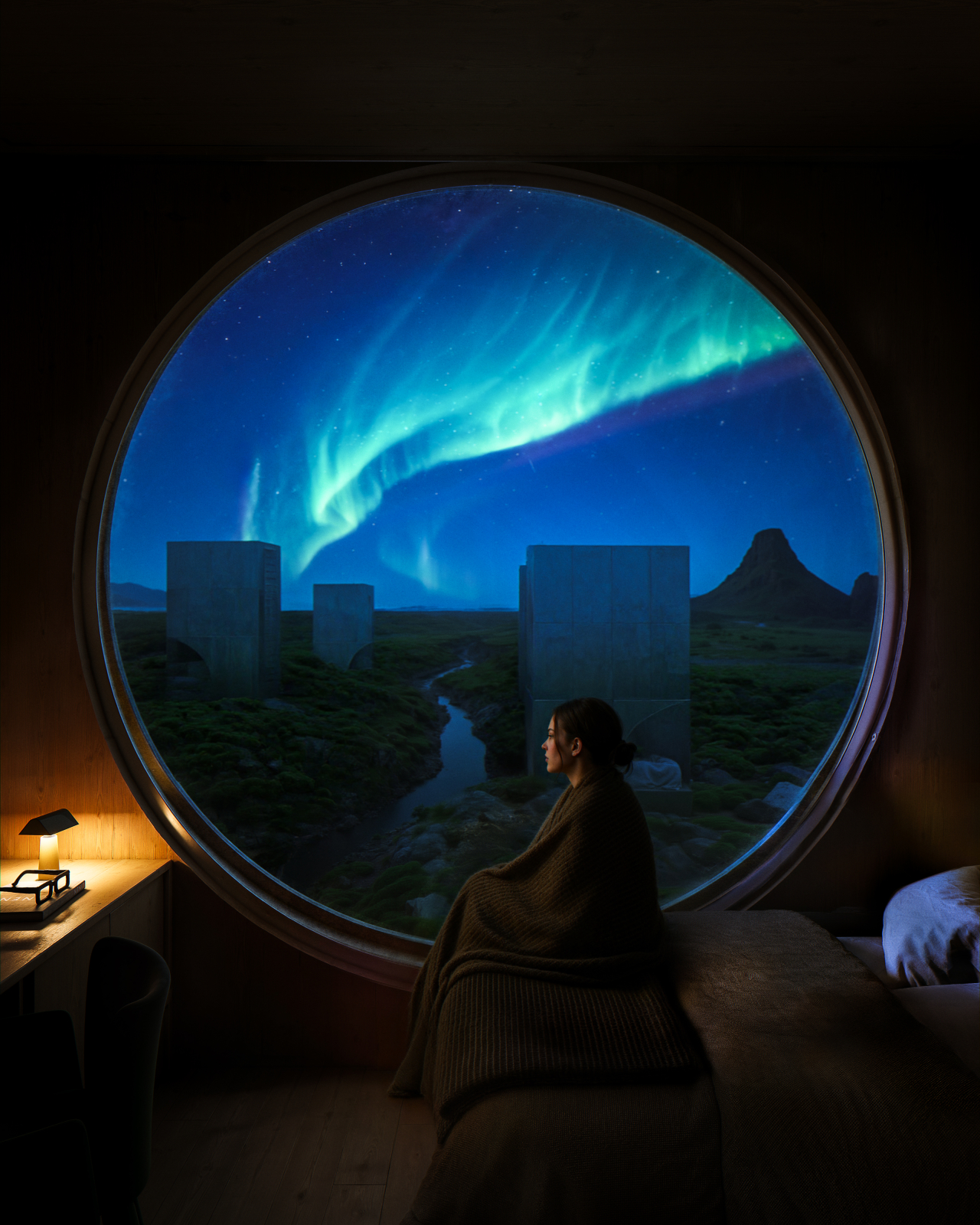
The goal is simple yet urgent: to provide an environment where the mind can slow down, breathe, and rediscover presence.
The main obstacle lies in the very structure of our modern lives: the relentless rhythm of technology and work that invades every corner of existence. The constant noise and digital saturation make it increasingly difficult to disconnect, to be still, to simply be.
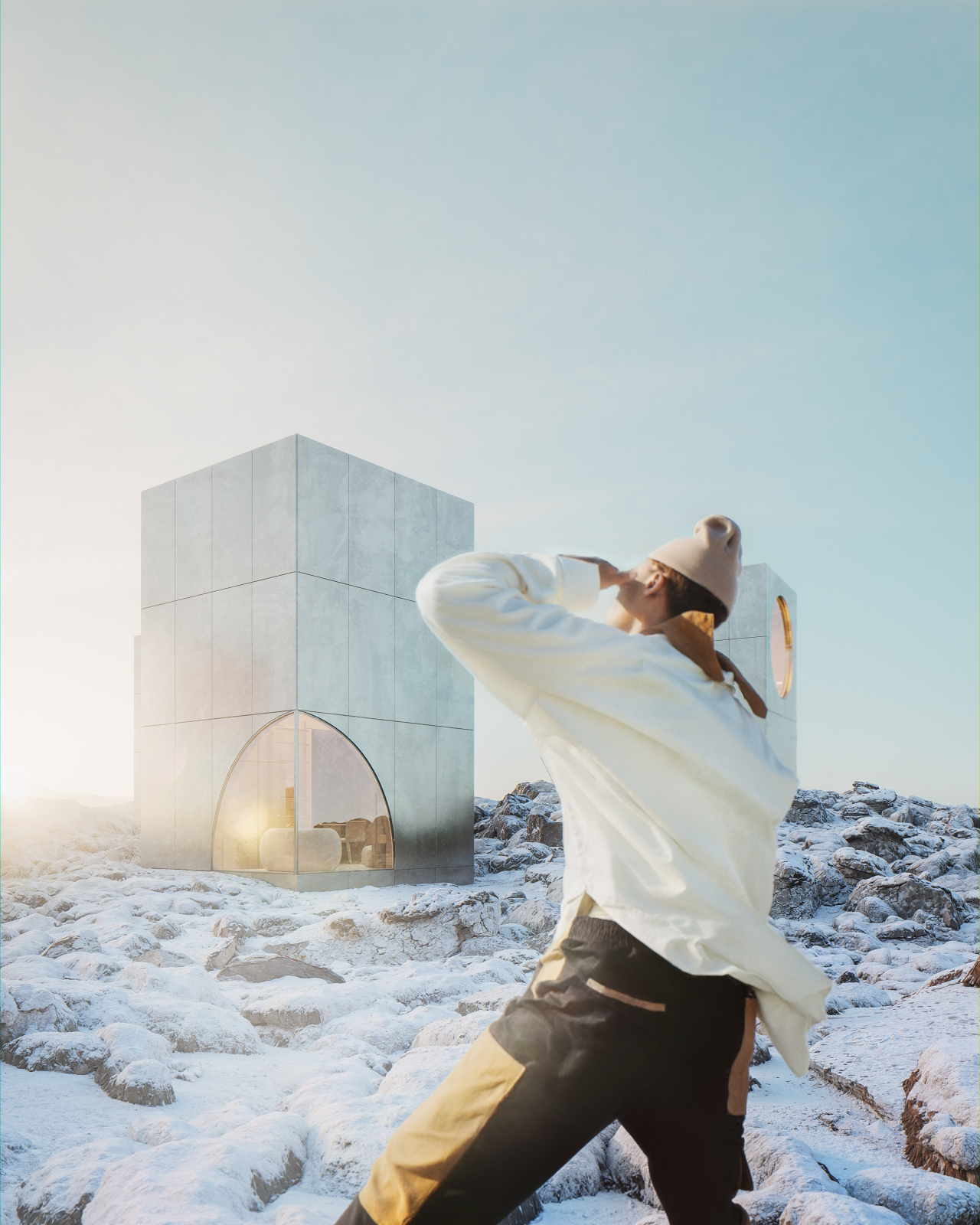
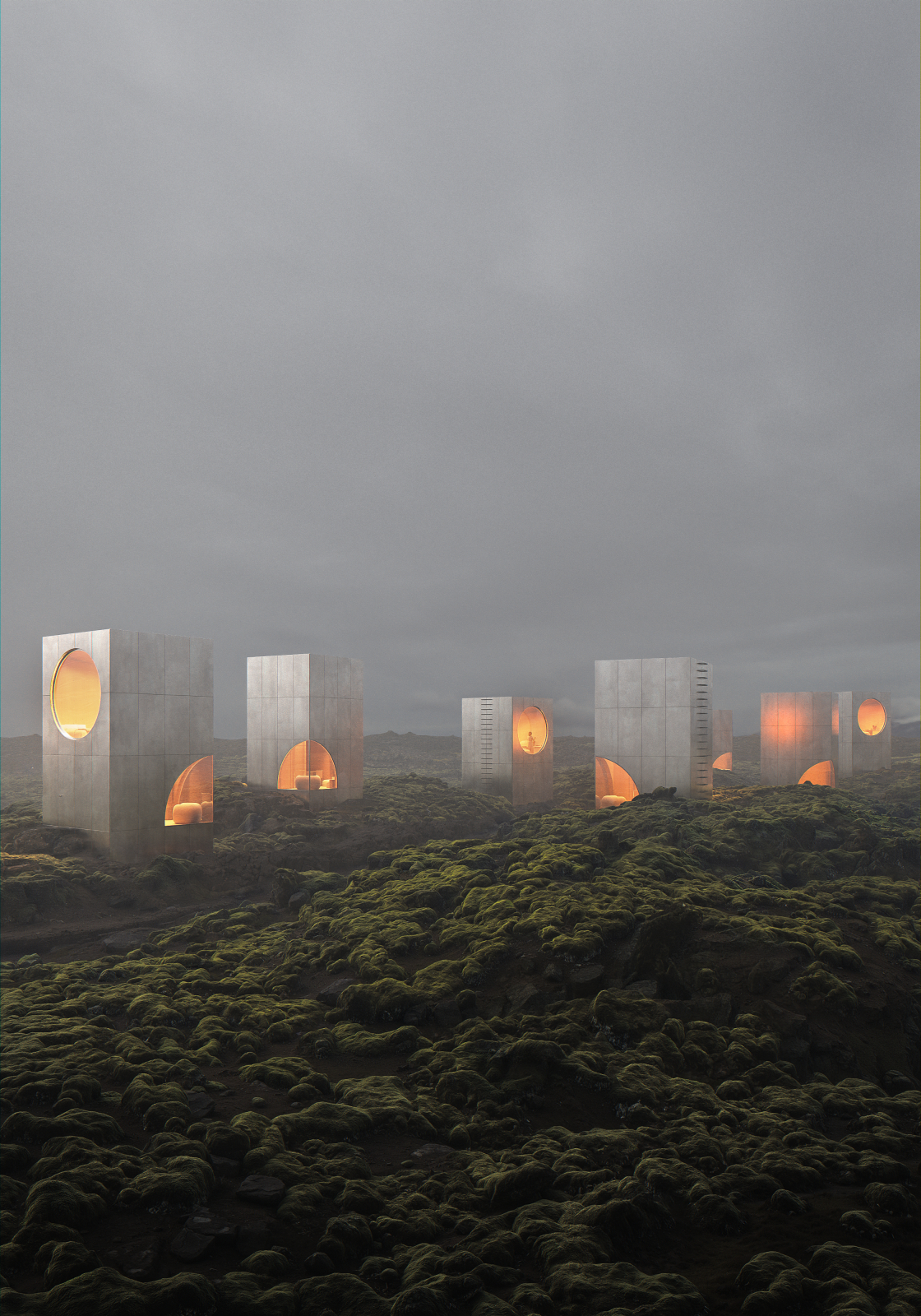
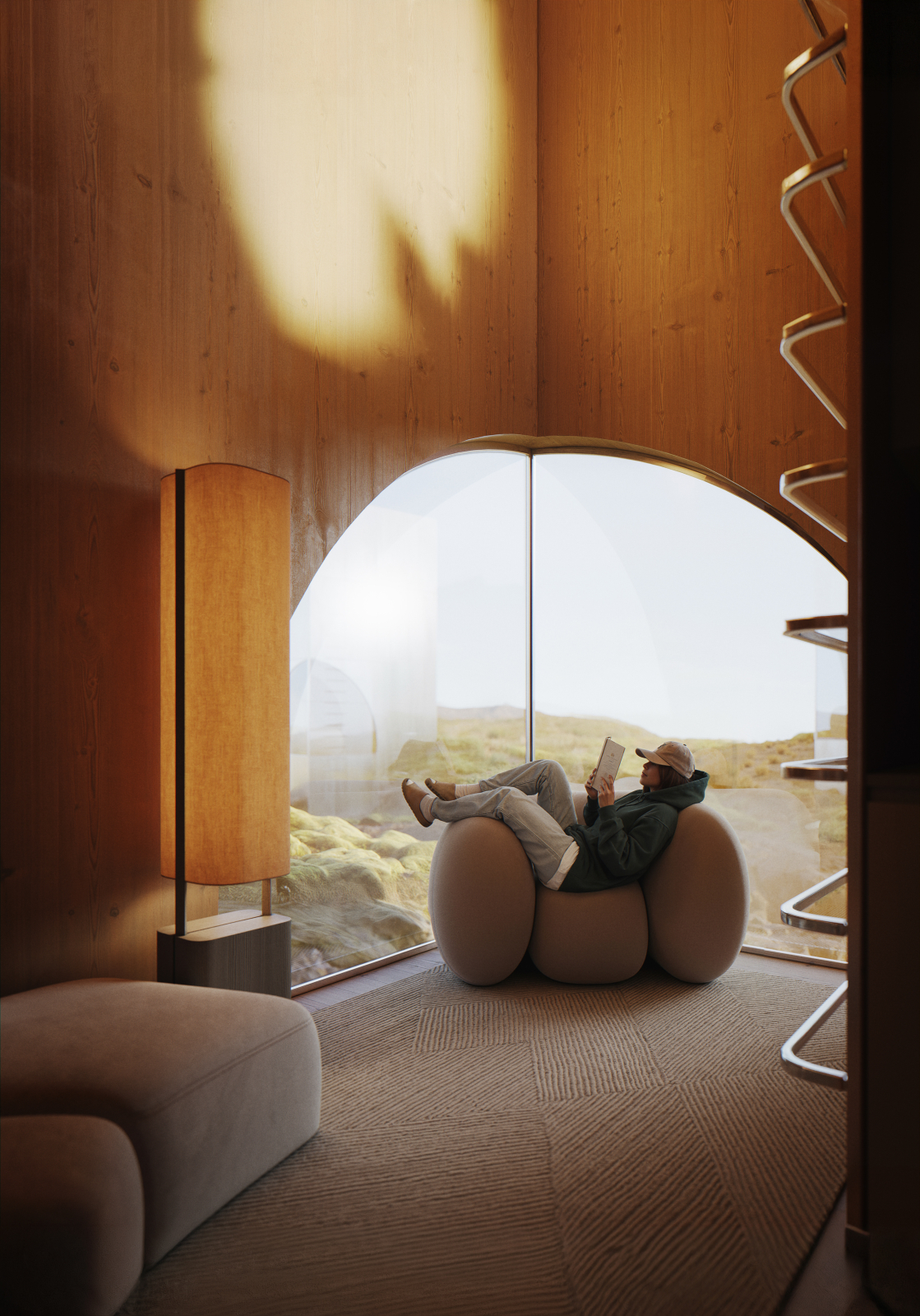
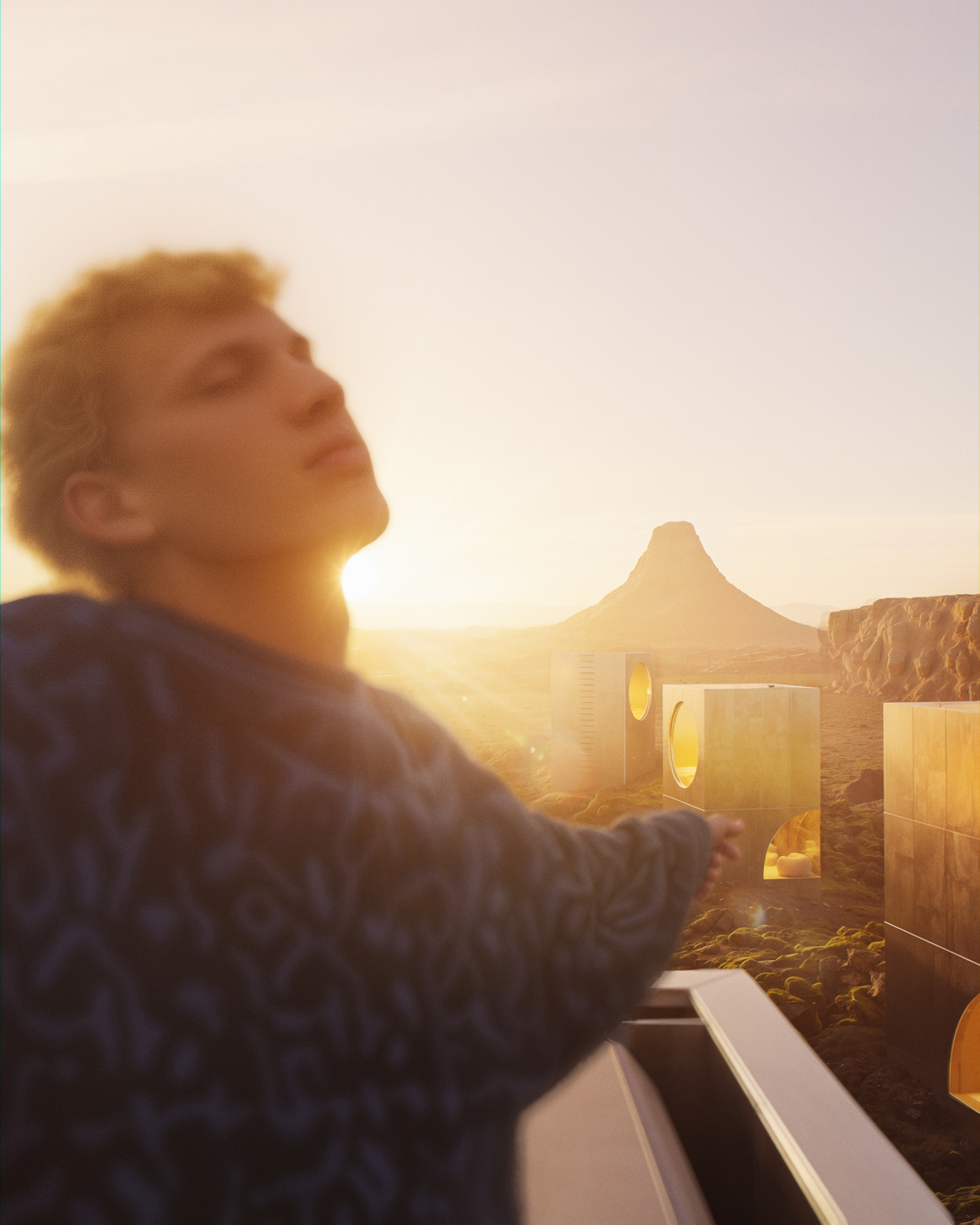
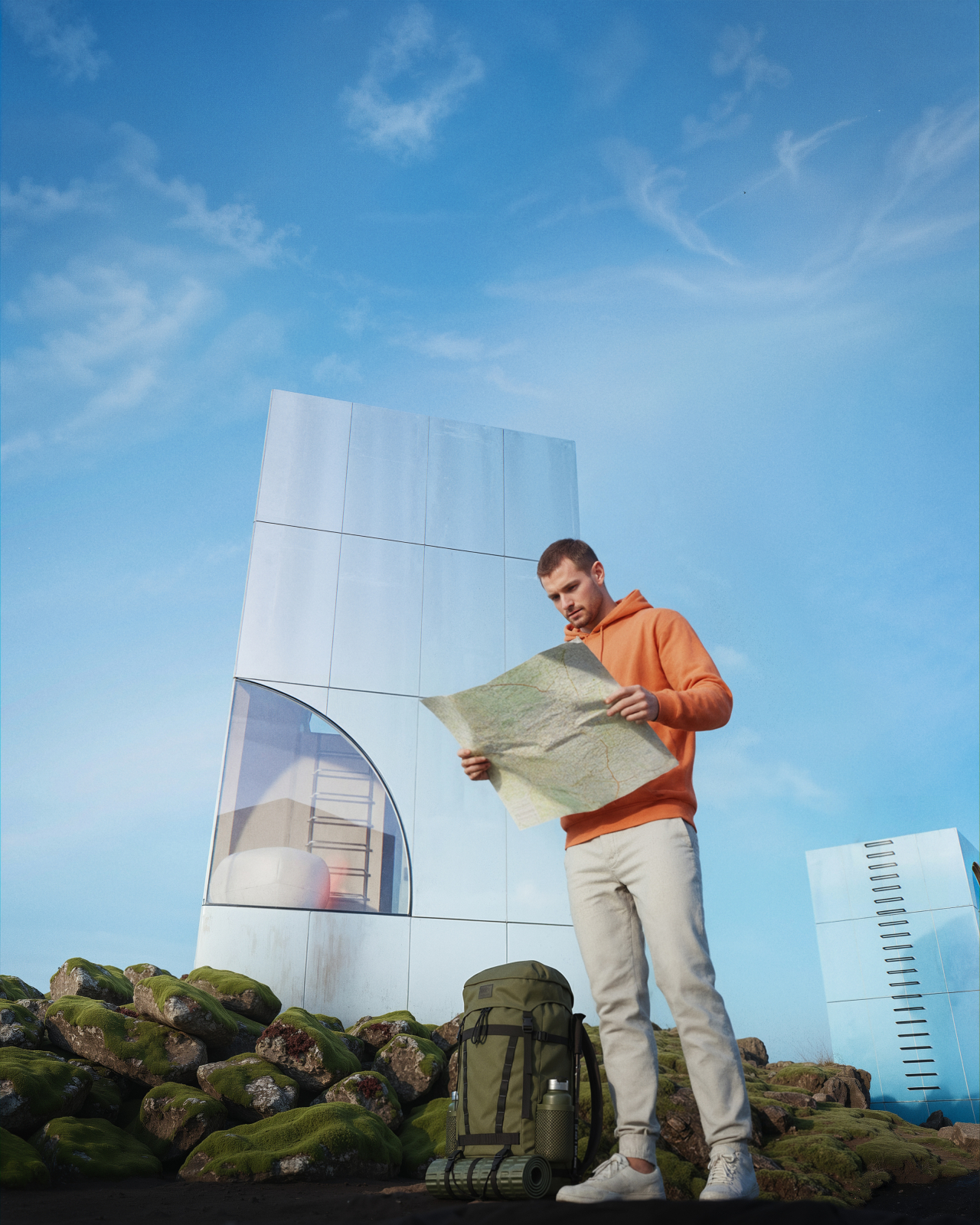
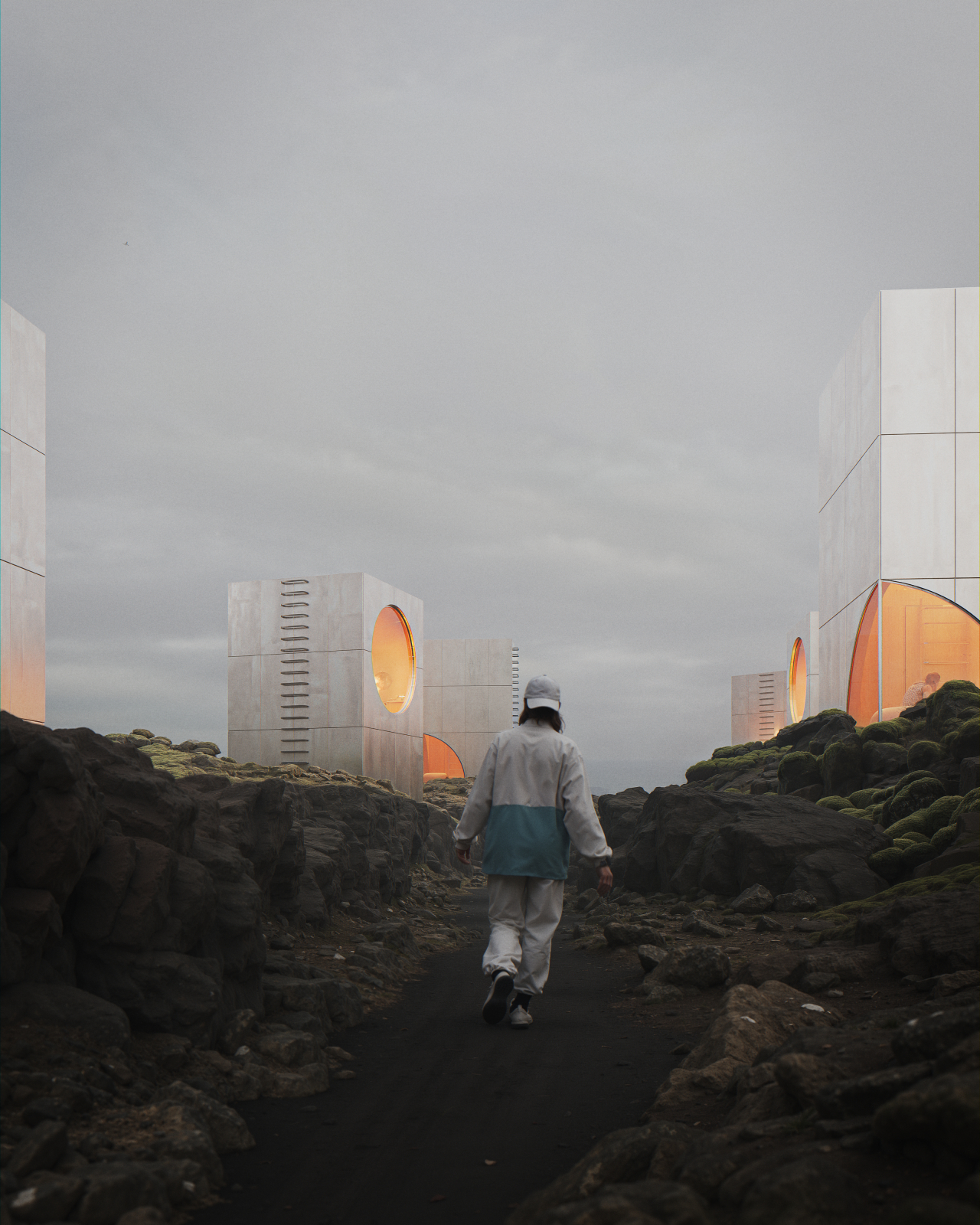
To counter this, this project proposes a microhome conceived as a space of retreat and care. Every element has been reduced to its essence. There are no electronic devices, no unnecessary objects, only calm, light, and simplicity. The architecture becomes an act of healing: a minimalist shelter designed to remove visual noise, foster introspection, and reconnect people with themselves, with others, and with nature.
The result is a flexible and modular dwelling system capable of adapting to different contexts, from isolated landscapes to small communities, promoting both solitude and connection. It is an invitation to slow down, to listen again, and to inhabit life with presence and balance.
This project was developed together with architects João Rui Mota and Raimundo Navarro.